
HIV Proposal Bootcamp
External Advisory Committee (EAC) Members
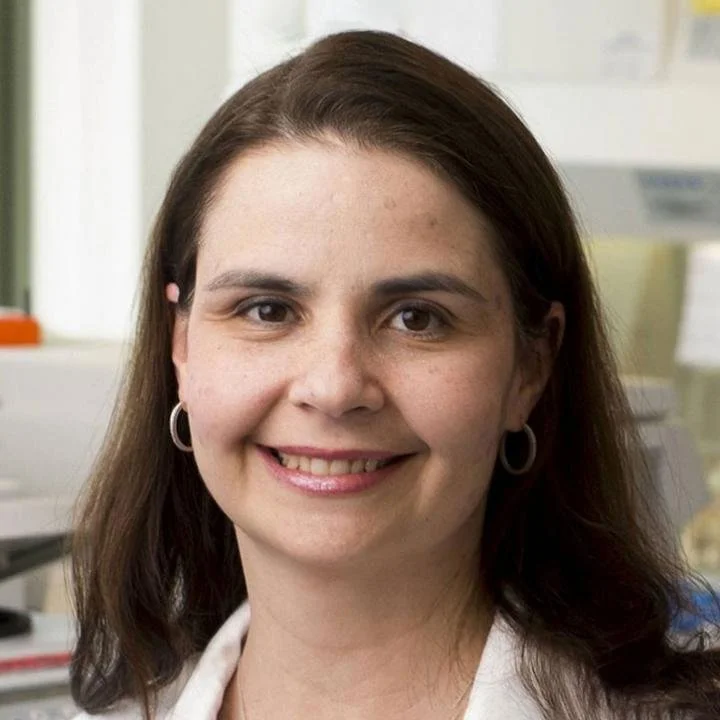
Marina Caskey, MD
Dr. Marina Caskey is a Professor of Clinical Investigation at The Rockefeller University whose work focuses on developing and clinically evaluating novel immunotherapeutic strategies for infectious diseases, particularly HIV-1 and SARS-CoV-2. She has led pioneering clinical trials on broadly neutralizing antibodies (bNAbs), helping establish them as a promising approach for long-term HIV remission, prevention, and vaccine development, building on foundational discoveries by Michel C. Nussenzweig. In addition to her research, she serves as Chair of the Medical Staff Executive Committee at Rockefeller University Hospital, co-leads the REACH Martin Delaney Collaboratory, and is an Associate Director of the Einstein-Rockefeller-CUNY Center for AIDS Research (ERC-CFAR), where she helps guide collaborative efforts on HIV persistence, immune responses, and cure strategies. She is also an attending physician in infectious diseases at Weill Cornell Medicine and a member of the American Society for Clinical Investigation.
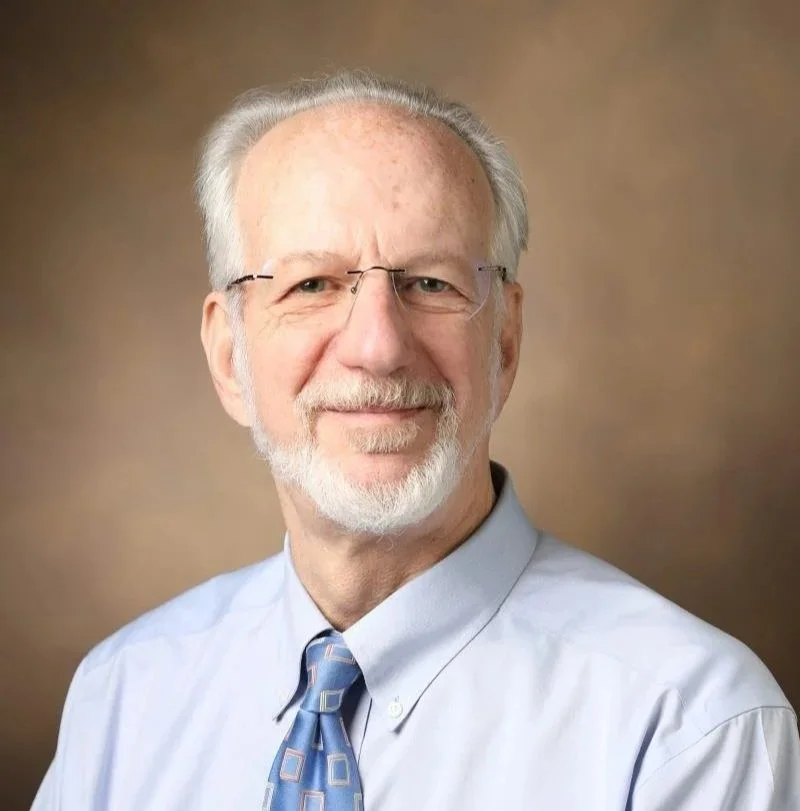
David Haas, MD
Dr. David Haas, is Professor of Medicine in the Division of Infectious Diseases at Vanderbilt University Medical Center and Professor of Pharmacology, Pathology, Microbiology & Immunology at Vanderbilt University School of Medicine, as well as Adjunct Professor of Internal Medicine at Meharry Medical College. A board-certified infectious diseases specialist, Dr. Haas is an internationally recognized HIV clinical trialist and leader in pharmacogenomics research related to HIV and tuberculosis therapy.
Since the early 1990s, he has led the design and implementation of numerous HIV clinical trials and established the AIDS Clinical Trials Group (ACTG) Clinical Research Site at Vanderbilt, which he continues to direct. He has led the ACTG pharmacogenomics program since 2000 and was instrumental in creating its Human DNA Repository. His research has been central to understanding how genetic variation, including CYP2B6 polymorphisms, influences drug metabolism—most notably explaining differences in efavirenz exposure among individuals of African descent. His work continues to focus on the role of human genomics in antiretroviral and anti-tuberculosis drug efficacy, safety, and disposition, and he is co-Principal Investigator of a major NIH-funded R01 on pharmacogenomics of HIV therapy.

Manya Magnus, PhD, MPH
Dr. Manya Magnus is Chair of the Department of Epidemiology at the Milken Institute School of Public Health at George Washington University, where she also serves as Co-Director of the MPH Epidemiology Program and Interim Department Chair. She is Principal Investigator and Clinical Trials Unit Leader of the NIH-funded DC Clinical Trials Unit and Co-Director of the Administrative Core of the DC Center for AIDS Research (DC CFAR). Dr. Magnus earned her BA in social psychology from the University of California, San Diego and her MPH and PhD in epidemiology from Tulane University, and she is also a trained nurse.
Her research applies rigorous epidemiologic methods to the prevention and treatment of HIV and other infectious diseases, spanning multisite randomized clinical trials and observational studies. She has led and collaborated on major studies of biomedical interventions as well as investigator-initiated research addressing structural barriers to care among populations most affected by HIV, contributing to improved strategies for disease prevention, access to care, and public health impact.
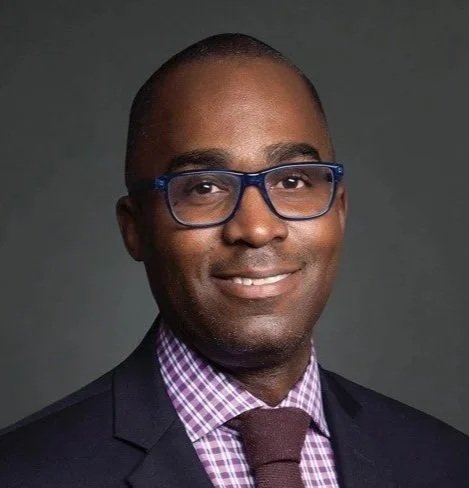
Gregorio Millett, MPH
Mr. Gregorio is Vice President and Director of Public Policy at amfAR and a nationally recognized epidemiologist with extensive experience in HIV research and federal policy. He has worked at the highest levels of U.S. government, including the White House Office of National AIDS Policy and the Centers for Disease Control and Prevention. From 2009 to 2011, he served as a Senior Policy Advisor at the White House, where he coordinated HIV prevention policy and interagency efforts to develop the National HIV/AIDS Strategy, serving as one of its principal writers under President Barack Obama. He also played a leading role in organizing U.S. government engagement for the 2012 International AIDS Conference and contributed to major policy changes, including lifting the HIV travel ban and reshaping federal HIV prevention funding.
Prior to joining amfAR, Mr. Millett served as HHS/CDC Liaison to the White House Office of National AIDS Policy. His research has been highly influential in advancing understanding of HIV disparities, particularly among Black men who have sex with men, and he is widely recognized for challenging assumptions about risk and prevention, including demonstrating no protective effect of circumcision for this population. He has published more than 40 peer-reviewed articles in leading journals such as Journal of the American Medical Association, The Lancet, and Health Affairs, and has co-authored work with leaders including Anthony Fauci. His research has been featured in major media outlets including The New York Times and The Washington Post. He holds a BA from Dartmouth College and an MPH from University of North Carolina at Chapel Hill.

Lauren Sterling, BS
Lauren Sterling is Associate Director of the Center for AIDS Research (CFAR) and Program Director of the AIDS Research Institute at University of California, San Francisco. In these roles, she oversees the strategic planning, coordination, and integration of scientific, operational, and educational activities that support a broad portfolio of HIV research initiatives. She manages administrative teams, leads grant development and reporting processes, and develops evaluation metrics to assess program impact, while fostering collaboration across institutional partners and research programs. Prior to joining UCSF, she held leadership and operational roles at the University of Washington Center for AIDS Research, where she managed research award programs, coordinated grant compliance and reporting, and supported large-scale clinical and observational studies. With a background in microbiology, public health, and epidemiology focused on HIV and sexually transmitted infections, she is known for her collaborative, systems-oriented approach and her leadership in strengthening research infrastructure, mentoring early-career investigators, and advancing multidisciplinary HIV research.