
HIP Seminars are designed to enhance mentoring and peer-to-peer connections among emerging HIV investigators, supporting their career development and helping them successfully obtain NIH funding.
To receive a recurring Outlook invitation, email the D-CFAR Admin Core.
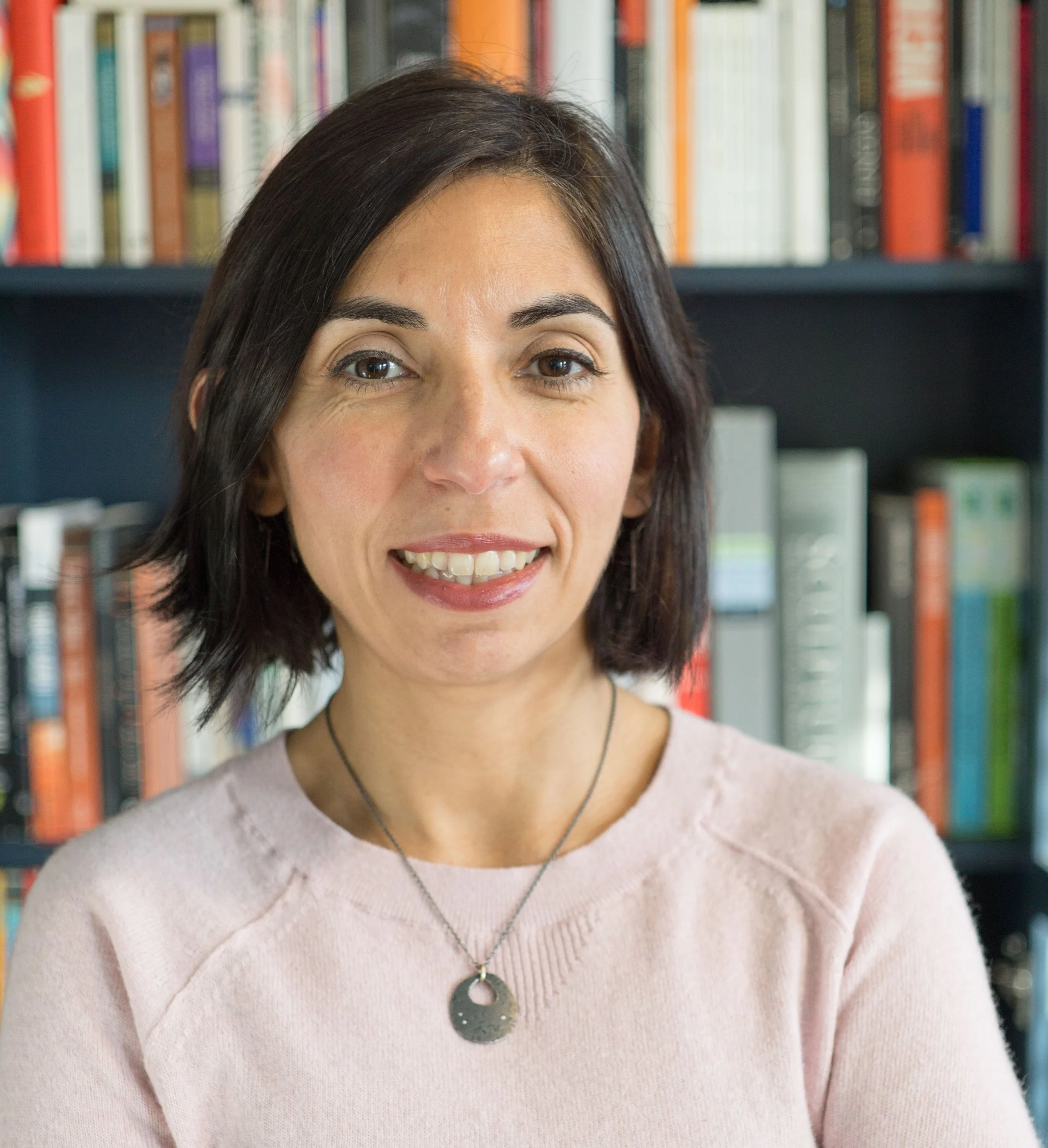
Sebla Kutluay, PhD
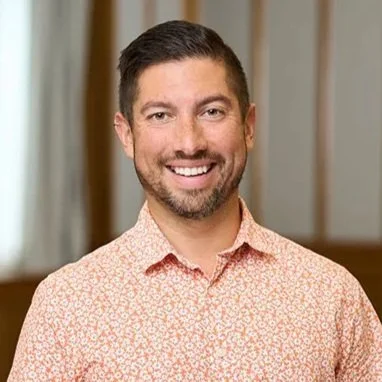
Octavio Mesner, PhD
This month’s presentations:
Luck favors the prepared mind - a lesson learned from a multifunctional HIV-1 enzyme - Sebla Kutluay, PhD, associate professor at WashU (watch Dr. Kutluay offer a sneak preview of her talk)
Predicting HIV Seroconversion in Black and Latino LGBTQ Youth - Octavio Mesner, PhD, research assistant professor at WashU.
Speaker bios:
Dr. Sebla Kutluay obtained her B.S. in Biological Sciences and Bioengineering Program with a Chemistry Minor from Sabanci University, Turkey. She then moved to US to complete her graduate studies at Michigan State University, under the mentorship of Steven J. Triezenberg where she studied the role of epigenetic regulation in defining lytic vs. latent phases of herpes simplex virus replication. Dr. Kutluay completed her postdoctoral fellowship at Aaron Diamond AIDS Research Center/Rockefeller University where she studied fundamental aspects of virus replication and virion genesis. Since 2015, Dr. Kutluay has been a faculty member in the Department of Molecular Microbiology at Washington University. Her lab studies RNA-centric processes in HIV-1 replication including genome trafficking, packaging and the role of viral genome in virion maturation.
Dr. Octavio C. Mesner is a Research Assistant Professor at the Brown School at Washington University in St. Louis. He holds a joint PhD in Statistics & Data Science and Engineering & Public Policy from Carnegie Mellon University, alongside master's degrees in Machine Learning and Biostatistics. Dr. Mesner’s interdisciplinary research integrates causal machine learning and nonparametric statistics to advance health equity, specifically focusing on HIV and STI prevention for Black and Latino LGBTQ youth. His recent work includes analyzing the impact of PrEP on STI incidence, published in Open Forum Infectious Diseases. He is currently collaborating with the Division of Infectious Diseases and the St. Louis Department of Health on projects applying novel data science methodology to HIV care and prevention.
This is a free event, but registration is required.