
Invisible Risks: The Role of Air Pollution in HIV Health Outcomes
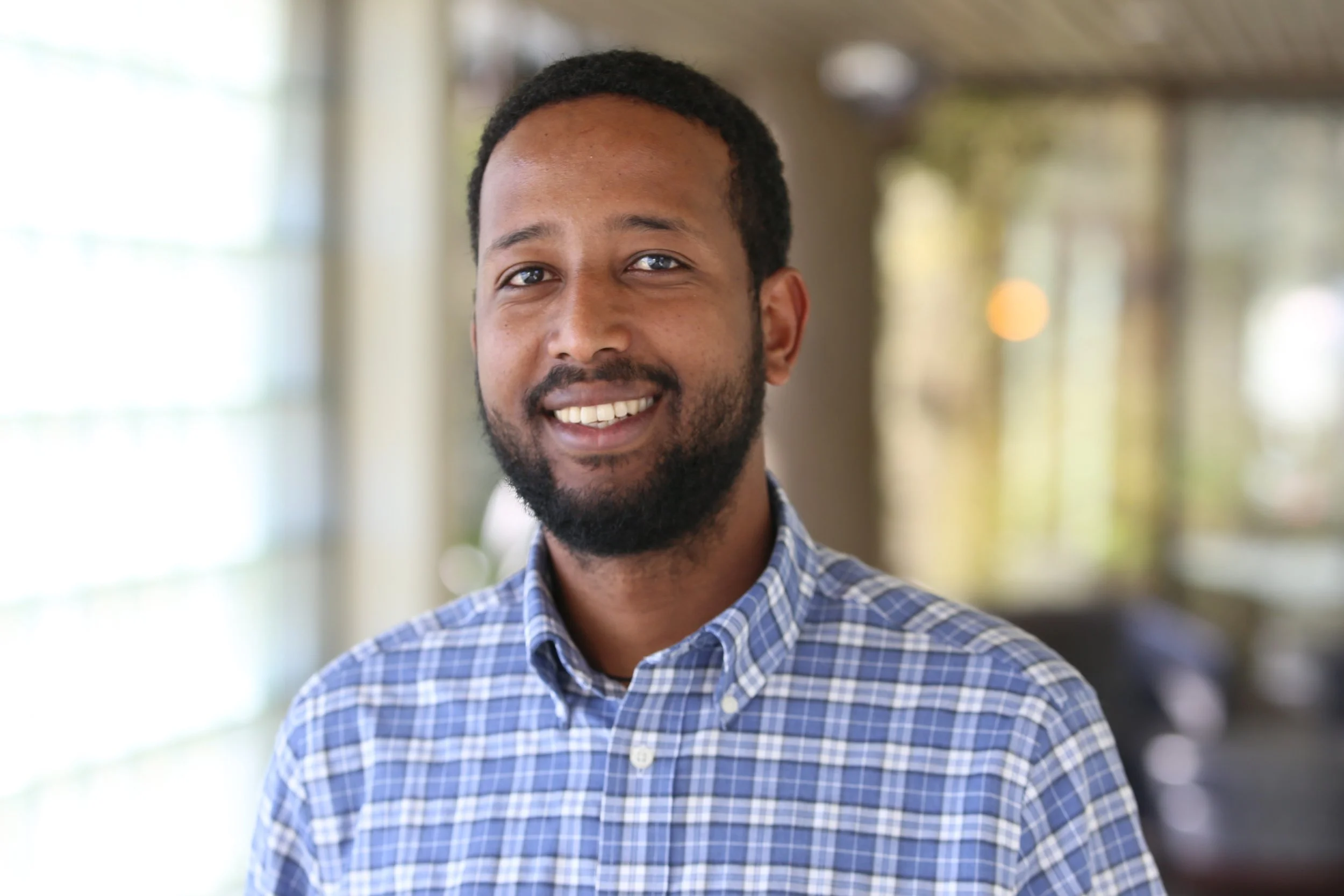
Recipient: Mintesnot Teni, PhD
Mentor: Enbal Shacham, PhD
Award type: Investigator Pilot Award
Award cycle: Summer 2025
Award amount - Direct: $20,000
Abstract
People living with HIV (PLWH) are living longer but face persistent risks from chronic inflammation, multimorbidity, and social vulnerability. Emerging evidence suggests that long-term exposure to air pollution may exacerbate HIV-related immune dysfunction and increase risks for cardiovascular, pulmonary, and neurocognitive outcomes. Yet, few studies have examined these associations in the U.S. Midwest, where both HIV disparities and environmental injustice are pronounced. Using electronic health record data from the Washington University HIV clinic, this study will examine associations between ambient air pollution (PM₂.₅ and NO₂) and HIV-related clinical outcomes, including viral load, CD4 counts, and inflammation-associated comorbidities. Using geocoded residential data and air pollution data for these locations, we will assess both individual- and neighborhood-level risks. This project will generate actionable knowledge on how air pollution contributes to health inequities among PLWH and inform interdisciplinary strategies that integrate environmental and HIV care to improve outcomes in urban settings.