
February 20, 2026
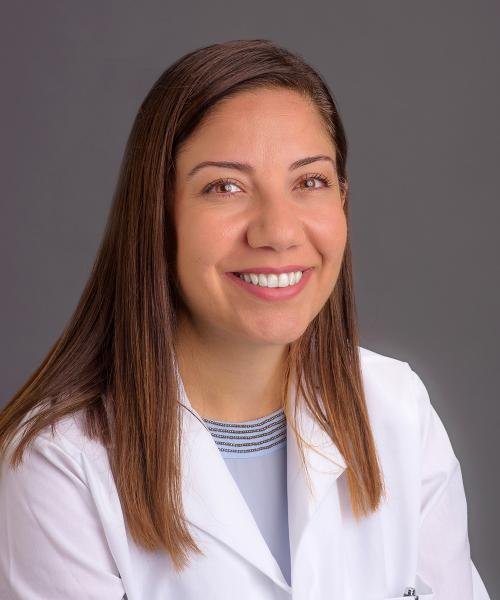
Dima Dandachi, MD
Dima Dandachi, Co-Director of the Scientific Working Group, participated in the Mentoring the Mentors Workshop for HIV Researchers in January, hosted by the UCSF Center for AIDS Research. This annual workshop brings together HIV investigators committed to strengthening mentorship practices that support the next generation of researchers and clinicians. Through interactive sessions and peer exchange, participants explore strategies to enhance mentorship structure, improve trainee support, and build sustainable research programs.
We asked Dr. Dandachi to share her reflections and key takeaways from the workshop.
What motivated you to attend the conference?
Dr. Dandachi: I was motivated to attend because I want to continuously improve as a mentor. As someone who mentors medical students, residents, and fellows, I am always looking for ways to strengthen the structure and effectiveness of my mentorship approach and to support and inspire my postdoctoral research fellows.
What was one key insight or strategy you learned that stood out to you?
Dr. Dandachi: One key insight was the importance of moving from informal mentoring to structured, goal-oriented mentorship with clearly defined expectations, milestones, and shared accountability. The emphasis on aligning mentorship strategies with a mentee’s career stage rather than using a one-size-fits-all approach was particularly useful. I also found the discussion on time management extremely valuable, especially the strategies for prioritizing high-yield activities.
Did the conference shift or reinforce your thinking about mentoring?
Dr. Dandachi: The conference encouraged me to be more systematic in documenting mentorship goals and proactively addressing any issues and barriers. I also valued the opportunity during this workshop to connect with other mentors facing similar challenges. Hearing about their successes, sharing common struggles, and receiving thoughtful feedback created an energizing sense of community and problem-solving.
Why is investing in mentor development important for the Midwest D-CFAR?
Dr. Dandachi: Investing in mentor development is essential for building sustainable research capacity. Strong mentorship directly influences trainee productivity, retention, and funding success.
We thank Dr. Dandachi for taking the time to share her reflections and insights from the workshop. Her commitment to strengthening mentorship and supporting the development of trainees helps advance our Center’s mission and contributes to a collaborative, supportive research environment for the next generation of HIV investigators.
Edited by Tessa Gauzy.