
Epidemiology of Cancer of Kaposi Sarcoma-Associated Herpesvirus At JOOTRH
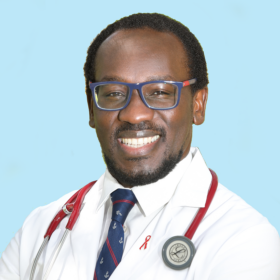
Recipient: Thomas Odeny, MD, MPH, PhD
Award type: JIT Enhancement Fund
Award cycle: Spring 2025
Award amount - Direct: $5,000
Abstract
The global burden of cancer is increasing and 70% of new cancers cases are in low- and middle-income countries (LMIC). A comprehensive response to the cancer burden in LMIC calls for an in-depth understanding of common cancers, which will lead to research on appropriately targeted prevention and treatment approaches. There is need for up-to-date data on cancer epidemiology in Africa and urgency to establish the infrastructure and expertise to develop relevant analytical methods to address this gap. Collating patient demographics and clinical information is one way to enhance cancer care and to identify new avenues for collaboration with others involved in oncology services.
In western Kenya, cancer is a major and rapidly growing cause of morbidity and mortality. However, there is limited data to characterize the shifts in cancer rates in Kenya to inform cancer control priorities and new efforts to link records across cancer and HIV care databases have been welcome. The ANGAZA study has developed a clinical database of all cancer patients at the Jaramogi Oginga Odinga Teaching and Referral Hospital (JOOTRH). This database compiles data on clinical and demographic information from the oncology clinic over a 10-year time horizon.
Western Kenya is a high-HIV burden region with prevalence rates of 19.6% in Homa Bay, 17.5% in Kisumu, and 15.3% in Siaya, the largest counties, and levels which far exceed the national average of 4.9%. Despite advances in HIV screening and treatment, HIV-related morbidity and mortality are still a challenge, particularly among special populations. For example, fishing communities, especially along Lake Victoria, face high HIV prevalence (32% overall; 38% in women, 29% in men) due to mobility, transactional sex, and healthcare access challenges. Adolescent girls and young women (AGYW) aged 15-24 HIV prevalence is comparable with national averages at 4.5%, but risk perception remains low, with only 30% of high-risk AGYW recognizing their vulnerability. Stigma persists as a barrier to HIV testing and antenatal care, reducing prevention of mother-to-child transmission. Considering the strong association between HIV and increased risk of infection by viral oncogenic agents like Human Papillomavirus and various Herpes types in the region, targeted interventions for the above and other special groups, are critical to improving both HIV and cancer outcomes in western Kenya. To date the ANGAZA project has collated data from ~4000 cancer patients over a ten-year period, 60% of which are female, 30% are PLHIV, and importantly in this high HIV prevalence context, ~40% have unknown HIV status. The top three most common diagnoses are cervical, breast, esophageal, prostate and Kaposi sarcoma. This project has estimated that 60% of patients enrolled in care are currently lost to follow-up. Analyzing these data will add to our understanding of cancer epidemiology in the region, and to identify factors that may improve clinical management and clinical outcomes of cancer patients.
Therefore, using the Angaza database, we propose to conscript the services of analysts with advanced biostatistical expertise to develop and implement statistical analysis plans and for a series of analyses to characterize the burden of cancer in western Kenya, examining major diagnoses, patterns in clinical outcomes, including survival, and key drivers of poor outcomes among patients.