
Midwest HIV Response and Action Summit Advances Collaboration and Innovation
May18, 2026
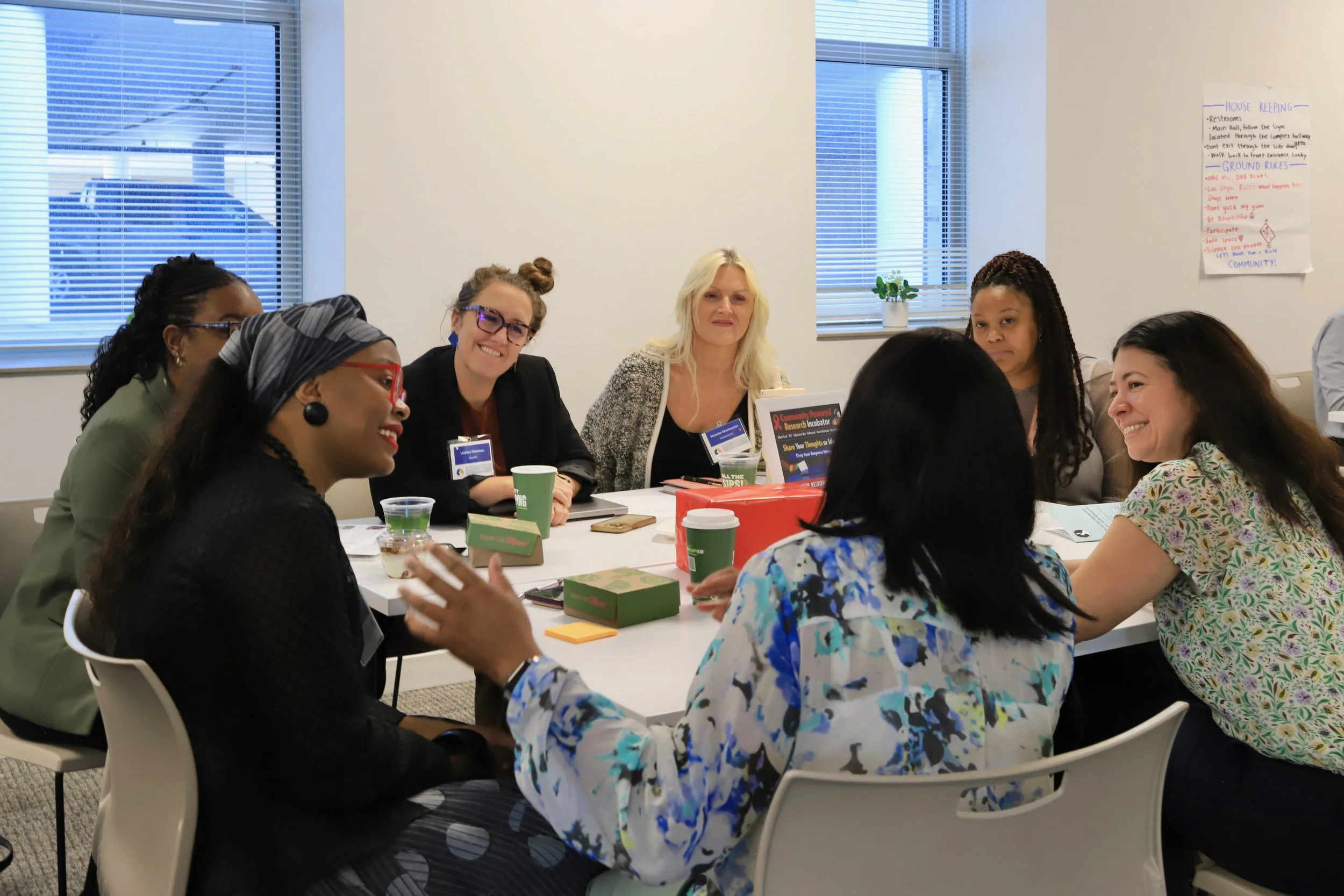
Summit participants reflect on morning IGNITE session. (PHOTO: Tina McGrath Photography)
The Midwest D-CFAR recently hosted the inaugural Midwest HIV Response and Action Summit at the Delmar Divine in St. Louis. The goal of the summit was to bring together researchers, health departments, and community organizations to develop a shared understanding of the HIV epidemic and response in Missouri. The summit highlighted insights from emerging research and programmatic progress across stakeholder groups, while also identifying opportunities for collaboration to advance action in the region. 60 regional stakeholders joined the summit, including researchers and community members from WashU, Saint Louis University, the University of Missouri, the Missouri Department of Health & Senior Services, the City of St. Louis Department of Health, Keys to Knowledge & Action Consulting, Williams and Associates, Inc., Vivent Health, and more.
The day opened with welcoming remarks from Midwest D-CFAR co-directors Elvin Geng and Juliet Iwelunmor, followed by a dynamic “IGNITE” session on Missouri’s HIV landscape moderated by Mati Hlatshwayo Davis. During the session, Ume Abbas, Aditi Ramakrishnan, and Hannah McGrath provided perspectives on the history and trajectory of the epidemic, innovative implementation scicence research methods, and the broader STI context in the region. These presentations set the stage for small-group discussions and a facilitated conversation on challenges and gaps, moderated by Tyrell Manning.
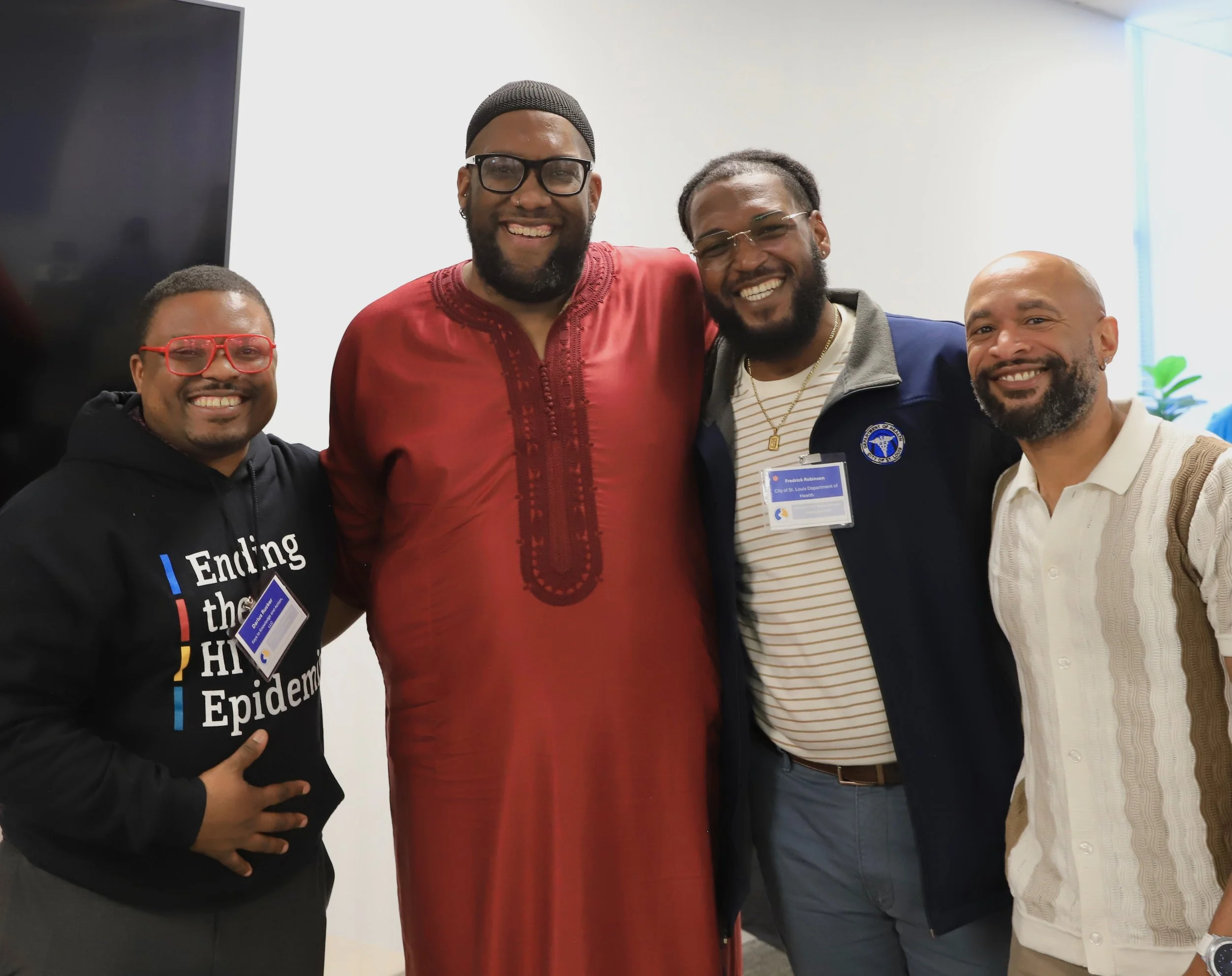
Darius Rucker, Tyrell Manning, Frederick Robinson, and Antoine Brantley pose for a photo. (PHOTO: Tina McGrath Photography)
Next, we heard from teams that participated in the Designathon for innovative HIV prevention vending machine projects. Juliet Iwelunmor and Erise Williams, Jr. moderated the session, with teams presenting on community needs, implementation strategies, and anticipated impact. The afternoon “IGNITE” session on research and program innovations, moderated by Elvin Geng, showcased work from Ginger McKay on the Clear Path Project, Dima Dandachi on telehealth for HIV care, Helen Etya'ale and Debbie “Dada” Dada on youth-focused prevention through ChampionSTL, and Rachel Mutrux on the future of telehealth policy.
Participants then engaged in working groups designed to translate ideas into action. The first group - “Making Science Usable for Community Programs” - was facilitated by Mike Durkin, Scientific Working Group Director, with contributions from discussants including Julia López, Darius Rucker, San Juan Caffey, Jourdan Lacey, and Antoine Brantley. The other working group - “Global and Local Lessons in the HIV Response - Beyond Borders” - was facilitated by Lindsey Filiatreu, with contributions from Anne Sebert Kuhlmann, Temitope Ojo, and Nhial Tutlam.
The day concluded with a priority-setting session led by Enbal Shacham, Midwest D-CFAR Associate Director, alongside service delivery leaders E.P. Barrett, Leslie Cockerham, and Tina Markovich. Together, they guided participants in identifying concrete next steps to move from discussion to implementation.
Participants expressed enthusiasm about connecting with other public health practitioners and researchers working to end the HIV epidemic. “I really enjoyed the diverse opinions at the summit,” said Mike Durkin. “We had a lot of great voices that represented public health experts, researchers, and community members.”
Overall, the Summit fostered a collaborative environment that not only highlighted innovative research and programming, but also emphasized the importance of cross-sector partnership, driven by the collective expertise of its speakers and participants, to advance a science-based response to ending the HIV epidemic in Missouri.
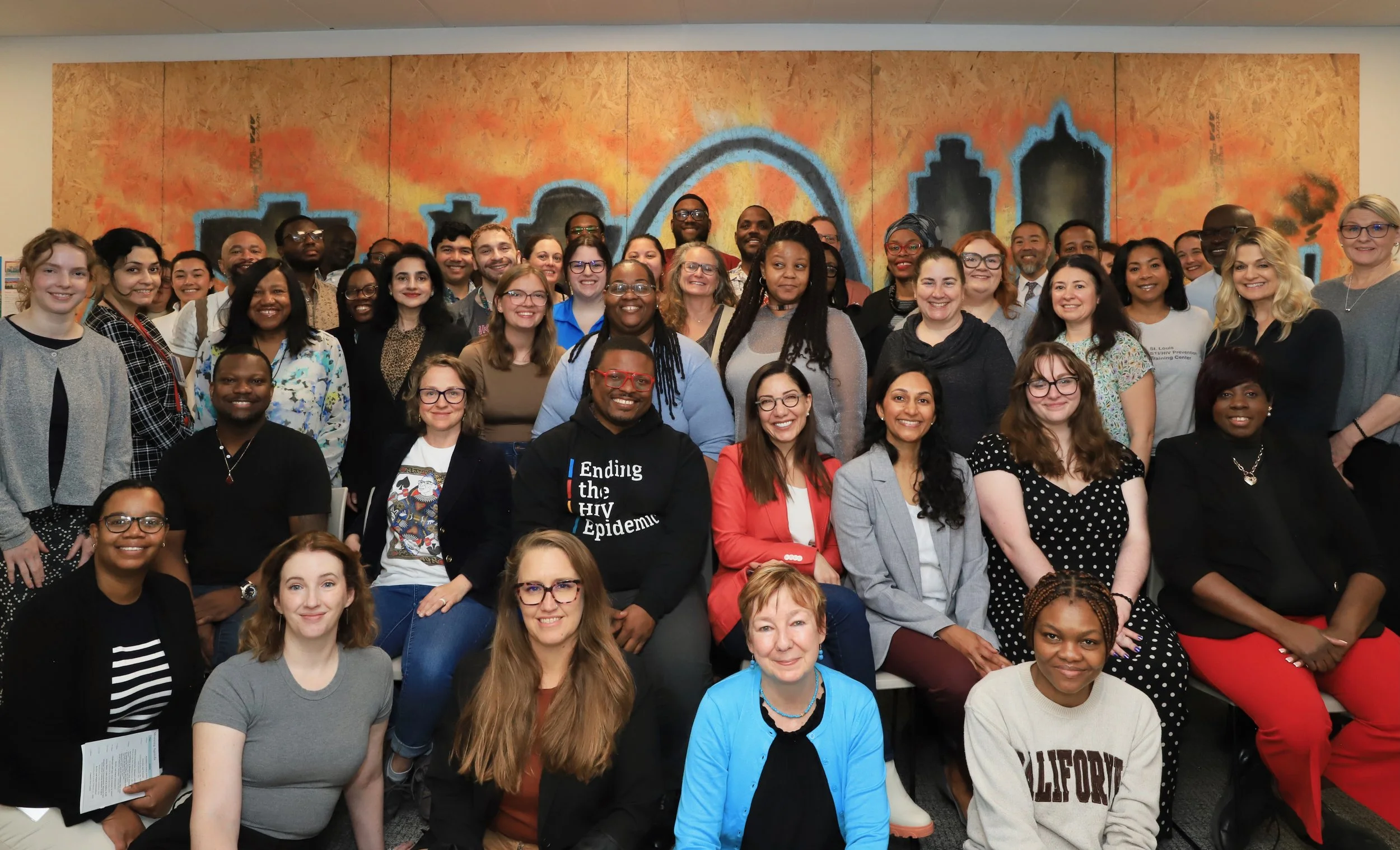
PHOTO: Tina McGrath Photography
Written by Kate Gershwin.